Corporate Events People Want to Attend
Plan corporate events that bring teams together, strengthen client relationships, and make every guest feel the value of showing up in the right venue.


A calendar invitation is not a reason to leave a busy desk, cross town, and give up an evening. The best corporate events earn attendance because they offer something people cannot get from another video call: useful connection, clear momentum, and a setting that makes work feel more human.
For founders and growing teams, an event is also a visible expression of how the business operates. A product launch can build confidence with investors and clients. A team offsite can restore alignment after a period of rapid growth. A workshop can turn a professional network into a real pipeline. The opportunity is significant, but so is the risk of producing a polished event with no real purpose behind it.
Start Corporate Events With a Business Outcome
“Networking event” is not an outcome. It is a format. Before selecting dates, menus, or speakers, define what should be different when guests walk out the door. Perhaps a distributed team needs to make decisions that have stalled online. Perhaps prospective clients need to see the expertise behind your brand. Perhaps a startup needs introductions to partners, talent, and capital.
A strong objective gives every later decision a filter. If the goal is relationship building, prioritize enough open time for conversations and create easy ways for people to meet. If the goal is training, protect the agenda from distractions and build in time to practice. If the goal is recognition, focus on the details that make employees feel genuinely appreciated rather than simply processed through a program.
One event can support more than one goal, but it should have one primary job. Trying to launch a product, recruit candidates, educate customers, and celebrate the team in a two-hour window usually leaves every audience underserved.
Match the format to the moment
The most useful format depends on the decision or relationship you need to move forward. A leadership retreat needs privacy, comfortable all-day seating, and room for candid conversation. A client workshop needs reliable presentation tools, clear sightlines, and a location guests can reach without a complicated commute. A panel or founder conversation needs a space that feels energetic on camera and supports audience questions without turning the room into a lecture hall.
For more social gatherings, structure still matters. Give guests a reason to arrive on time, a natural opening moment, and a few prompts that make introductions easier. A simple host welcome, a live demonstration, or a brief conversation with an industry operator can create a shared experience without overproducing the night.
Design for the People in the Room
An event is not successful because the agenda was full. It succeeds when guests know why they are there, feel comfortable participating, and leave with a useful next step. That calls for practical empathy long before the doors open.
Think about the room through the attendee’s experience. Can they find the venue easily? Is there a clear check-in point? Is there a place to take a private call, charge a laptop, or step aside for a focused conversation? Are food and beverages appropriate for the time of day and the flow of the program? These details shape whether the experience feels professional, relaxed, or needlessly difficult.
The physical environment carries part of the message, too. A generic ballroom may work for a large formal program, while a design-forward venue with warmth, natural texture, and flexible seating can be better for a founder gathering, creative workshop, or client community event. The right space helps guests settle in and makes the conversation feel more intentional.
At The Farm SoHo, event-ready environments are designed for teams that want the utility of a professional venue without sacrificing character. For businesses hosting in New York City, that combination can make a working session, panel, or celebration feel less like an obligation and more like a destination.
Build participation into the agenda
People remember the moments when they contributed, not just the slides they watched. This does not mean every event needs breakout groups and icebreakers. It means the level of participation should fit the audience.
For a small executive roundtable, invite attendees to submit a pressing question in advance and let the discussion follow what is actually top of mind. For a team meeting, use working sessions to resolve a real issue rather than presenting updates that could have been sent beforehand. For a larger community event, create a clear point when attendees can meet speakers, connect with peers, or visit an interactive station.
Keep presentations disciplined. Most speakers need less time than they request, and most audiences need more time to reflect, ask questions, and talk to one another. A compact program with room to breathe almost always feels more valuable than an overfilled schedule.
Choose a Venue That Supports the Work
Venue selection is often treated as an aesthetic decision. It is really an operational one. The room affects arrival, attention, sound, comfort, accessibility, catering, technology, and the quality of conversations after the formal agenda ends.
Start with capacity, but do not stop there. A room that technically fits 80 people may feel crowded once you account for check-in, food service, production equipment, and standing conversation. Conversely, an oversized room can drain energy from a small group. Ask how the layout changes between seated presentations, workshops, meals, and networking, especially if your event includes multiple modes.
Technology deserves an early conversation. Confirm Wi-Fi capacity, screen visibility, microphones, power access, lighting, and any support available during the event. If remote guests or speakers are joining, test the setup from their perspective. Hybrid programming can expand access, but only when virtual attendees can hear, see, and participate without feeling like an afterthought.
Location matters beyond the neighborhood name. Choose a venue near transit, with straightforward entry instructions and enough nearby options for guests who arrive early or want to continue the conversation afterward. For New York teams, convenience often determines whether busy clients, operators, and partners say yes.
Make the Invitation Worth Opening
Your invitation should answer three questions quickly: why this event matters, who it is for, and what guests will gain by attending. Lead with the value, not logistics. “Join us for drinks” is vague. “Meet the operators building practical AI workflows for lean teams” gives the right people a reason to respond.
Be specific about the experience. Name the conversation, the host, the type of connections guests can expect, or the business challenge the event will address. Then make the logistics easy to scan: date, start and end time, neighborhood, attendance expectations, and registration details.
For high-value events, personal outreach often outperforms a broad campaign. A thoughtful note from a founder, executive, or relationship owner signals that the guest was selected for a reason. For larger community events, use several reminders with a fresh reason to attend each time, rather than repeating the same announcement.
Follow Up While the Energy Is Still There
The event ends when the room empties, but its value is decided afterward. Send a short thank-you within a day or two, ideally with a useful resource, a recap of a key idea, or a clear invitation to continue the conversation. If attendees made introductions, help those connections happen by sharing permission-based contact details or sending a warm follow-up.
Measure against the outcome you chose at the beginning. Attendance matters, but it is only the start. Look at meaningful conversations, meetings booked, partner opportunities, survey feedback, content created, pipeline influenced, or team decisions completed. Over time, these signals reveal which formats deserve more investment and which should be redesigned.
The most effective corporate events do not try to impress everyone with more production. They make the right people feel that their time was respected, their presence mattered, and the next conversation is worth having.

Host your event at The Farm
From 10 to 150 people. Six unique venues, all in-house.


Related Articles
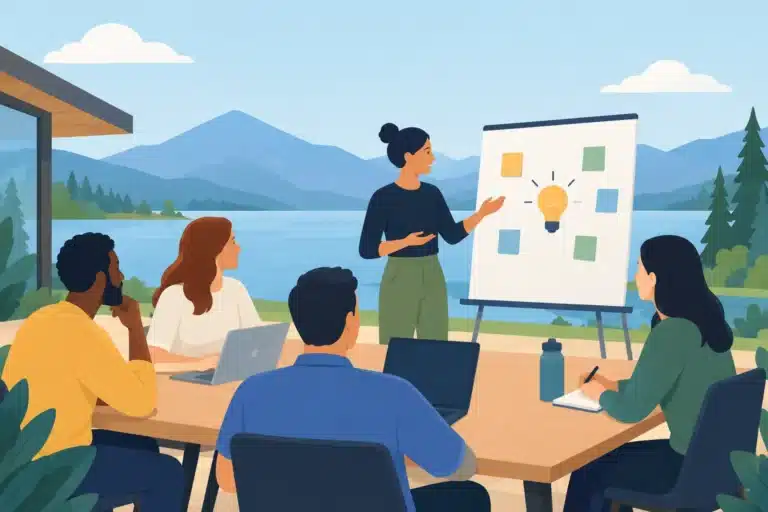
How to Plan Team Offsites That Move Work Forward
Learn how to plan team offsites with a clear purpose, a flexible venue, and an agenda that turns time away from the desk into action and a next-step plan.
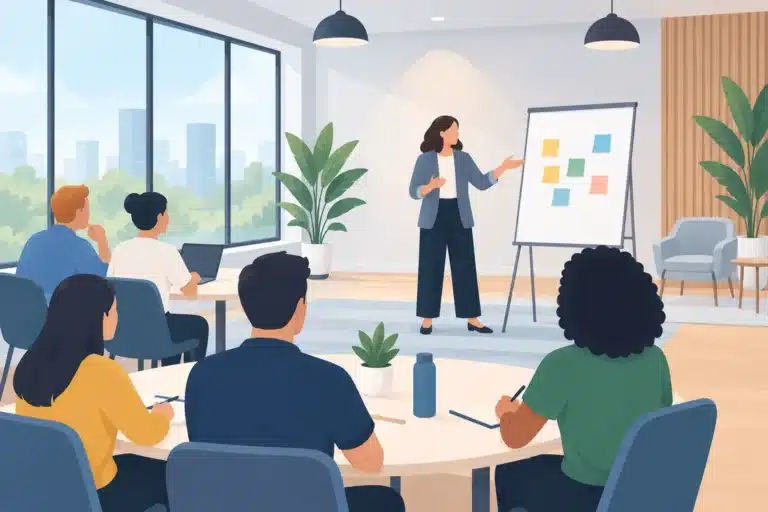
Best Event Spaces for Workshops That Get Results
Find the best event spaces for workshops with practical guidance on layout, technology, location, hospitality, and flexible booking for teams in cities.

Best Event Venues for Founders That Build Momentum
The best event venues for founders create credibility, connection, and room to grow. Learn what to prioritize before you book your next gathering in NYC.

Stay ahead of the curve
Virtual office tips, business address guides, and workspace insights, once a month, straight to your inbox.